

International hand-carry courier for prototypes
Move eligible compact prototypes and product samples for a testing, development or presentation deadline. We assess the exact contents, packing and handling requirements, then plan accompanied international travel and handover to your named recipient.
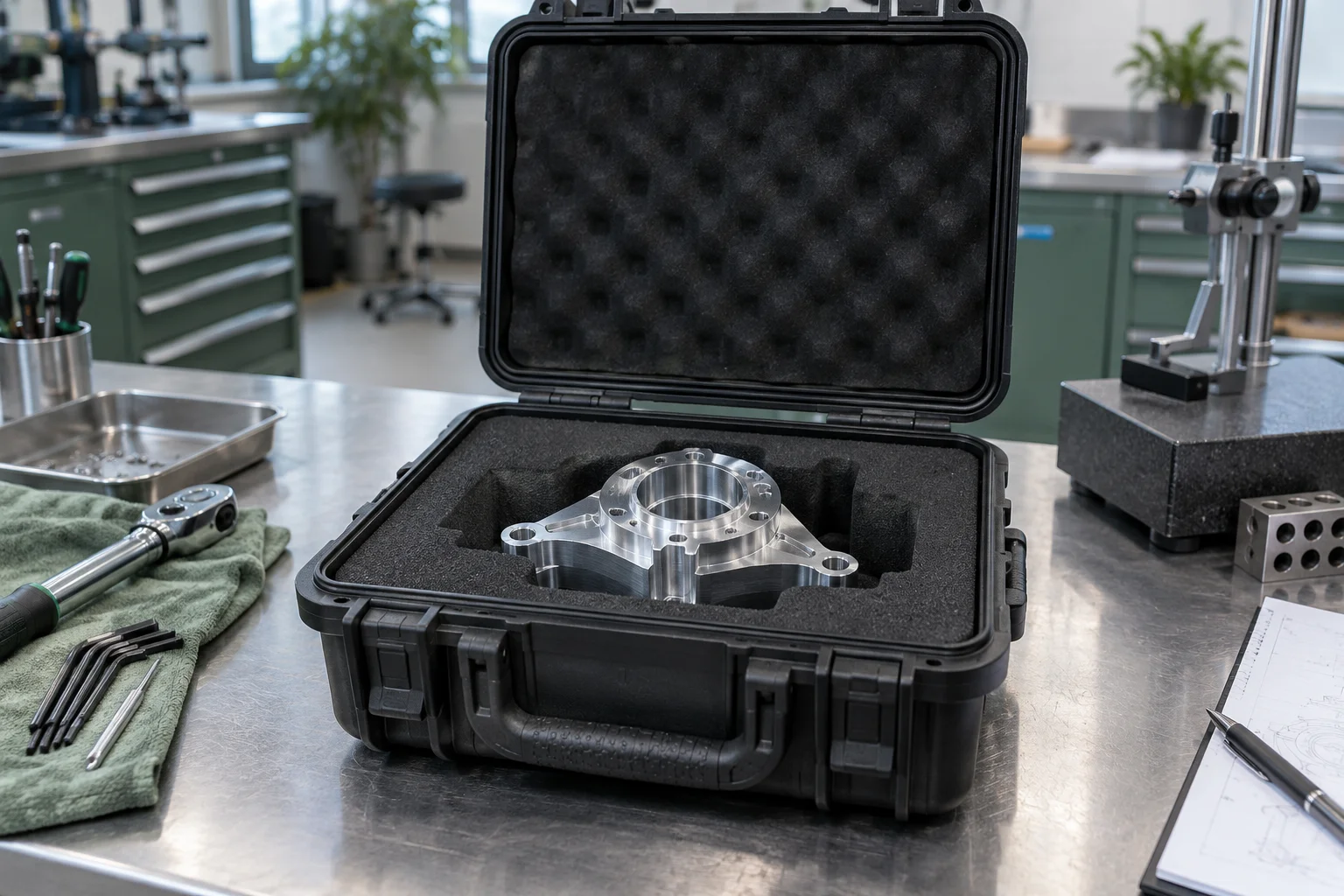
Deliver the right version before the test or presentation.
A prototype can be needed for a design review, test session, demonstration or production decision. Give the time the team needs the item ready to use, including unpacking or setup time, so the enquiry reflects the real handover deadline.
Identify the prototype’s version or sample reference, intended use, materials and condition. An unfamiliar item may need a clearer description than a production product, especially when it contains electronics or moving parts. We assess the packed unit and the journey before confirming carriage. Battery-powered development units should also follow our critical electronics enquiry guidance.
Items we can assess
Work backwards from the team’s usable deadline.
Work backwards from the team’s usable deadline.
The start of a presentation or test is often too late for delivery. Tell us how much time the recipient needs for unpacking, preparation and checking the item. We use that earlier handover time when assessing collection, travel and the final transfer.
Give the prototype or sample reference and confirm which unit is authorised for release.
List materials, components, batteries, accessories and any special features.
State when the item will be fully packed and available at the collection address.
Include unpacking or setup time before the review, test or demonstration.
Explain orientation, fragility, confidentiality and recipient requirements before acceptance.
If the item is coming back, provide the return ready time and details for a separate assessment.
Document the sample identity and handling instructions.
Document the sample identity and handling instructions.
A version number or sample reference helps the recipient identify the unit being delivered. Provide suitable protective packing and clear handling instructions for delicate features. Discuss confidentiality and any restrictions on photographs before collection; do not assume that packaging can remain closed if an official inspection is required.
What we need to quote
Send the prototype description, revision or sample reference, materials, batteries if any, packed dimensions, gross weight, value and required handover time.
| Collection | Full address, ready time, contact name and phone |
| Destination | Full address, named recipient and local deadline |
| Item | Prototype reference, purpose, materials, accessories, batteries, size, weight and value |
| Handling | Fragility, orientation, confidentiality, recipient and any planned return |
Explore routes from London.
These destination guides help assess gateways and delivery timing for a prototype enquiry. Supply the exact design studio, test site or meeting address and the deadline before setup must begin.
 LONDON → MUCMunich
Set the handover time ahead of the planned test or design review.
 LONDON → PARParis
Compare travel options with the studio or meeting address.
 LONDON → AMSAmsterdam
Allow for the final transfer and the team’s preparation time.
 LONDON → MILMilan
Include sample identification and the intended receiving location.
 LONDON → SZXShenzhen
Describe the development unit and its packed contents in detail.
 LONDON → TYOTokyo
Use the project team’s Japan local handover deadline.
 LONDON → SINSingapore
Plan a named-recipient handover for the demonstration or review.
 LONDON → LAXLos Angeles
Include the site address and setup time beyond flight arrival.
Common questions
What if the prototype has no commercial product name?
Provide a plain-language description of what it is and does, its materials, version reference, components and intended use. Include photos or available technical information if helpful. We need enough information to assess the real contents before agreeing carriage.
Can a confidential prototype remain sealed?
Discuss the packaging and confidentiality instructions before booking. We can agree handling requirements where compatible with the journey, but cannot promise that security or other authorities will never require access to the contents. Identify an authorised project contact for any questions.
Can you arrange a return after a demonstration?
Include the expected return ready time, collection contact and destination in your enquiry. A return requires its own route and shipment assessment, particularly if the condition, accessories or contents change during testing. It is included only when expressly agreed in the booking.
Is a prototype automatically treated as having no value?
Do not assume that a sample or prototype has no value for shipment purposes. Provide accurate value information and explain the item’s status. Tell us if insurance is essential. Insurance is available on request. We confirm the available cover, relevant limits, exclusions, conditions and cost for your shipment in writing before booking. Declaring a value does not itself arrange cover.
Find guidance for your shipment.

Equipment, battery and technical-site details for a shipment assessment.
ENGINEERINGSmall Engineering Parts Courier
Part identification, packing and maintenance-team handover planning.
FASHIONFashion Sample Hand Carry
Packing and venue handover planning for garments and accessories.
SMALL ITEMSSmall Critical Items Courier
How contents, packing and the deadline determine the service assessment.
Need a prototype at a test or presentation?
Send the sample details, packing information, collection ready time and the handover deadline before setup begins.
Get a QuoteFor urgent work, include the destination and deadline in your first message.